Window Tint for South Bay Sun: Heat, UV, Glare and Privacy
A good tint job makes the car calmer to sit in. A careless choice can cost you a ticket, so pick the shade with eyes open.
October 20, 2026 · 4 min read
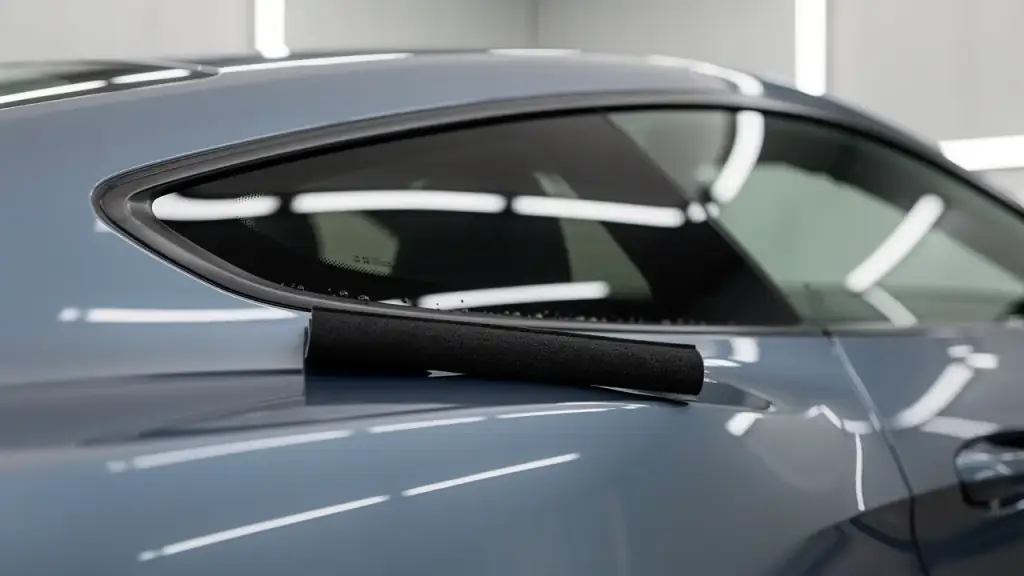
A parked car in San Jose in July is a small oven. You get in, the steering wheel is too hot to hold, and the first ten minutes of the drive are spent waiting for the air conditioning to catch up. Window tint won't turn that off, but it changes the picture in a lot of small ways. It's worth knowing what it does before you choose a shade.
Heat
Sunlight comes through glass as both visible light and infrared, and infrared is a big part of what you feel as heat on your arms and legs. Window film is made to reject some of that energy before it reaches the cabin. The result is a car that stays more comfortable when it's parked and cools faster once you start the air conditioning. Different film constructions handle heat differently, and a darker shade doesn't always mean a cooler cabin, so ask the installer what a given film is built to do rather than judging by darkness alone.
UV
Ultraviolet light does quiet damage. It fades dashboards and seat leather, cracks plastics and dries out upholstery. It's also part of what reaches your skin on long commutes, especially along the left arm and leg. Quality window film blocks a large share of UV, and that protects both you and the interior. Rogers Detailing Studio lists UV blocking as one of the things tint is for, and it's a good reason to tint even if you don't care how dark the car looks.
Glare
The South Bay has a lot of low sun. Driving west toward the afternoon light on a freeway, or east at sunrise, can leave you squinting. Tint takes the edge off glare, so the road is easier on your eyes and you spend less energy fighting the light. It helps at night in a different way, which is worth thinking about before you pick something very dark: a deep shade on the rear glass can reduce what you see out the back after sunset, especially on unlit streets.
Privacy
Privacy is the benefit people notice first from the curb. Tinted rear windows make it harder for anyone to look into the car and see a laptop bag, a gym kit or a parked stroller. That doesn't replace good habits, so nothing valuable should be left in view, but it removes the easy invitation. It also gives passengers some shade and a bit of calm in stop-and-go traffic.
California has rules, so ask first
This is the part to take seriously. California regulates how dark tint can be on certain windows, with the strictest attention on the windshield and the front side windows, and there are separate expectations for the rear. Those rules can include specifics about which areas of the windshield may be tinted and how light transmission is treated. Rules change, and details can depend on the type of vehicle, so don't rely on a number a friend quotes you or something you half remember from a forum.
The simple move is to ask your installer before you choose a shade. A shop that tints cars every week knows what's currently allowed on each window of your specific vehicle and can steer you toward something sensible. If you need something different because of a medical reason, that's a conversation to have with the installer and the proper authorities, not a guess to make on your own. A ticket or a fix-it order costs far more than getting the shade right the first time.
Choosing a shade you'll be happy with
- Ask which windows can be tinted on your car, and which shade is allowed on each.
- Think about night driving. If you often drive unlit roads, go easier on the rear.
- Ask what kind of film is being used and what it's designed to reject.
- Match the look to the car. Tint is part of the styling, and it should suit the paint and wheels.
- Ask how the edges are finished and how clean the work looks up close.
Looking after fresh tint
New film needs time to settle. Ask your installer how long to wait before rolling the windows down, and what to expect in the first days. Small hazy patches or water pockets can appear as it dries and often clear up on their own, but it's worth asking what's normal. Afterward, clean the inside of the glass with a soft cloth and an ammonia-free cleaner, since harsh chemicals can damage film over time.
The Window Tint page covers what Rogers Detailing Studio offers: less heat, blocked UV and added privacy. Quotes are free. Call (408) 813-7183, Monday to Friday, and ask which shades make sense for your car.
Rogers Detailing Studio, (408) 813-7183
Call (408) 813-7183More articles
Paint Protection Film or Ceramic Coating: Which One Does Your Car Need?
The two products do different jobs, and knowing which job your paint needs done is most of the decision.
What Paint Correction Actually Removes (and Why It Comes First)
Correction isn't a wax or a filler. It's careful abrasion, and it decides how good everything after it can look.