Paint Protection Film or Ceramic Coating: Which One Does Your Car Need?
The two products do different jobs, and knowing which job your paint needs done is most of the decision.
October 20, 2026 · 4 min read
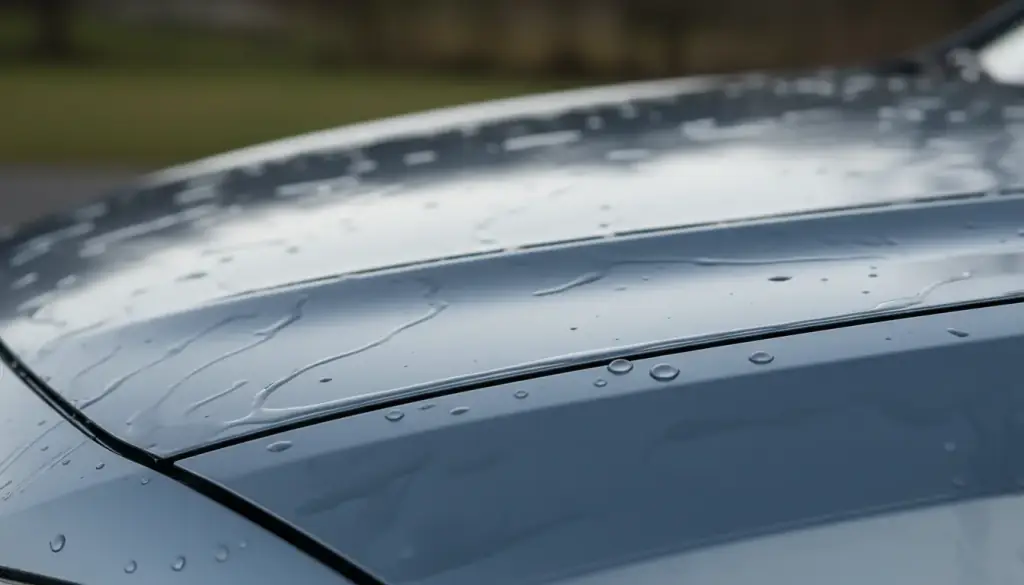
Ask ten car owners in San Jose whether they need paint protection film or a ceramic coating and you'll get ten confident answers, most of them half right. The two products are often lumped together as paint protection, but they do different jobs. Choosing one, or deciding to combine them, comes down to what actually hurts your paint, where you drive, and where the car sleeps at night.
What a ceramic coating does
A ceramic coating is a liquid applied to clean, prepared paint. It bonds to the surface and leaves a thin, hard layer on top of the clear coat. It doesn't make the car bulletproof. What it does is change how the surface behaves. Water beads up and sheets away. Dirt, bird droppings and road film have a harder time gripping, so washing gets quicker and the paint stays glossier between details.
A coating also adds resistance to light chemical staining and to the slow wear that sun puts on a clear coat. What it can't do is stop a pebble thrown up by a truck on 101, or a shopping cart that drifts across a parking lot. A coating is thin, and thin layers don't absorb impacts. Think of it as making the paint easier to live with, not as armor.
What paint protection film does
Paint protection film, usually called PPF, is a clear, flexible urethane sheet fitted to the body panels. A coating changes the surface. Film adds a physical layer with real thickness, and that thickness is what takes the hit when a stone strikes the hood. It's the right tool for chips and light scratches. Done well it's nearly invisible, which is how Rogers Detailing Studio describes it: protection against chips, scratches and environmental damage without changing how the car looks.
Film has its own limits. It's a sheet, so it has edges, and it's fitted around curves, so the quality of the installation matters more than almost anything else. Lifting edges, stretch marks and dirt trapped underneath all come from the fitting, not from the idea of film itself. That's worth asking about when you collect quotes.
Where each one earns its keep
A car doesn't wear evenly. The front takes the beating, and the sides and roof mostly take the sun. Matching the product to the panel is where the value is.
- Hood, front bumper and mirrors: film. These panels collect stone chips on every freeway mile.
- Rocker panels and door edges: film. Gravel flicks up from the tires, and doors get nicked in tight parking spots.
- Doors, roof and trunk lid: a coating handles sun, grime and washing for most owners.
- Glass, wheels and trim: many owners coat these too, because water and brake dust come off more easily.
- A garage-kept weekend car that rarely sees a freeway: a coating on its own may be all it needs.
That list isn't a rulebook. It's a way of thinking about your car. Look at where the damage would land, and protect that spot with the product built for it.
Why many owners do both
The combination is common for a simple reason: each product covers what the other can't. Film on the leading edges takes the physical abuse. A coating over the rest of the car, and often over the film too, gives the whole finish that slick, easy-to-wash surface. You get impact protection where the hits land and gloss and easy cleaning everywhere else.
It also saves you from an awkward middle. You pay for a coating and then watch the hood pick up chips anyway. Or you wrap the nose in film and leave the rest of the paint to dull slowly in the sun. Neither is a bad purchase. Both leave a gap that the other product fills.
The step people skip: the paint underneath
Whichever you choose, the paint underneath gets sealed in. Film and coatings lock in whatever is already there, including swirl marks and light scratches. That's why a careful shop inspects the paint before anything goes on, and why paint correction often comes first. If the finish has flaws today, those flaws are the finish you'll be looking at under the product for years. Skipping this step is the most common reason a protected car still looks tired.
Questions to ask before you book
- Which panels do you recommend for film on my car, and why those?
- How is the film trimmed at the edges, and where do the seams fall?
- How will the paint be prepared before film or coating goes on?
- What does washing look like afterward, and what should I avoid?
- What's included in the quote, panel by panel?
A shop that answers these plainly, without a sales script, is one worth trusting with your paint. If you're weighing film against coating for your own car, the Paint Protection Film and Ceramic Coating pages show what Rogers Detailing Studio offers. Quotes are free. Call (408) 813-7183, Monday to Friday, and tell them how you drive and where you park.
Rogers Detailing Studio, (408) 813-7183
Call (408) 813-7183More articles
What Paint Correction Actually Removes (and Why It Comes First)
Correction isn't a wax or a filler. It's careful abrasion, and it decides how good everything after it can look.
Window Tint for South Bay Sun: Heat, UV, Glare and Privacy
A good tint job makes the car calmer to sit in. A careless choice can cost you a ticket, so pick the shade with eyes open.